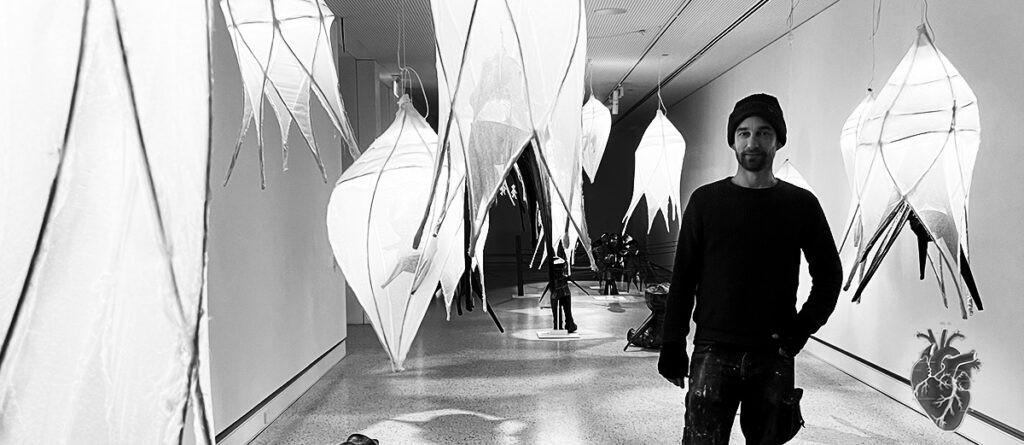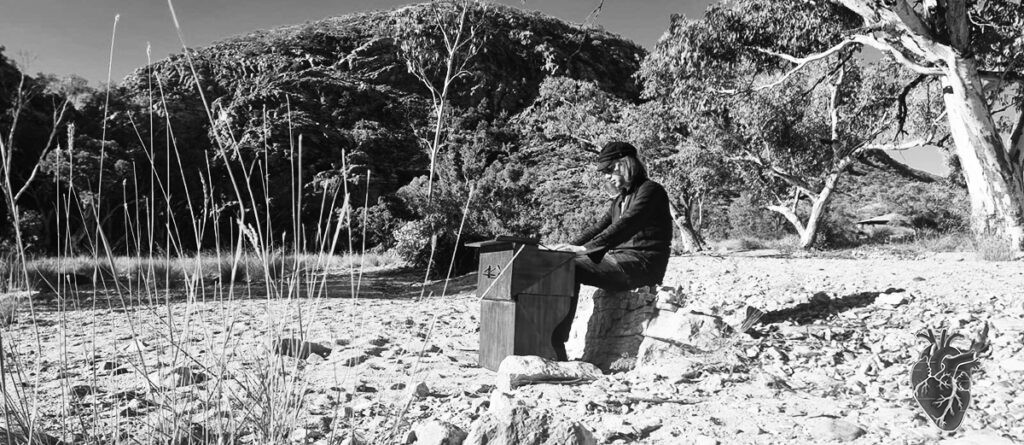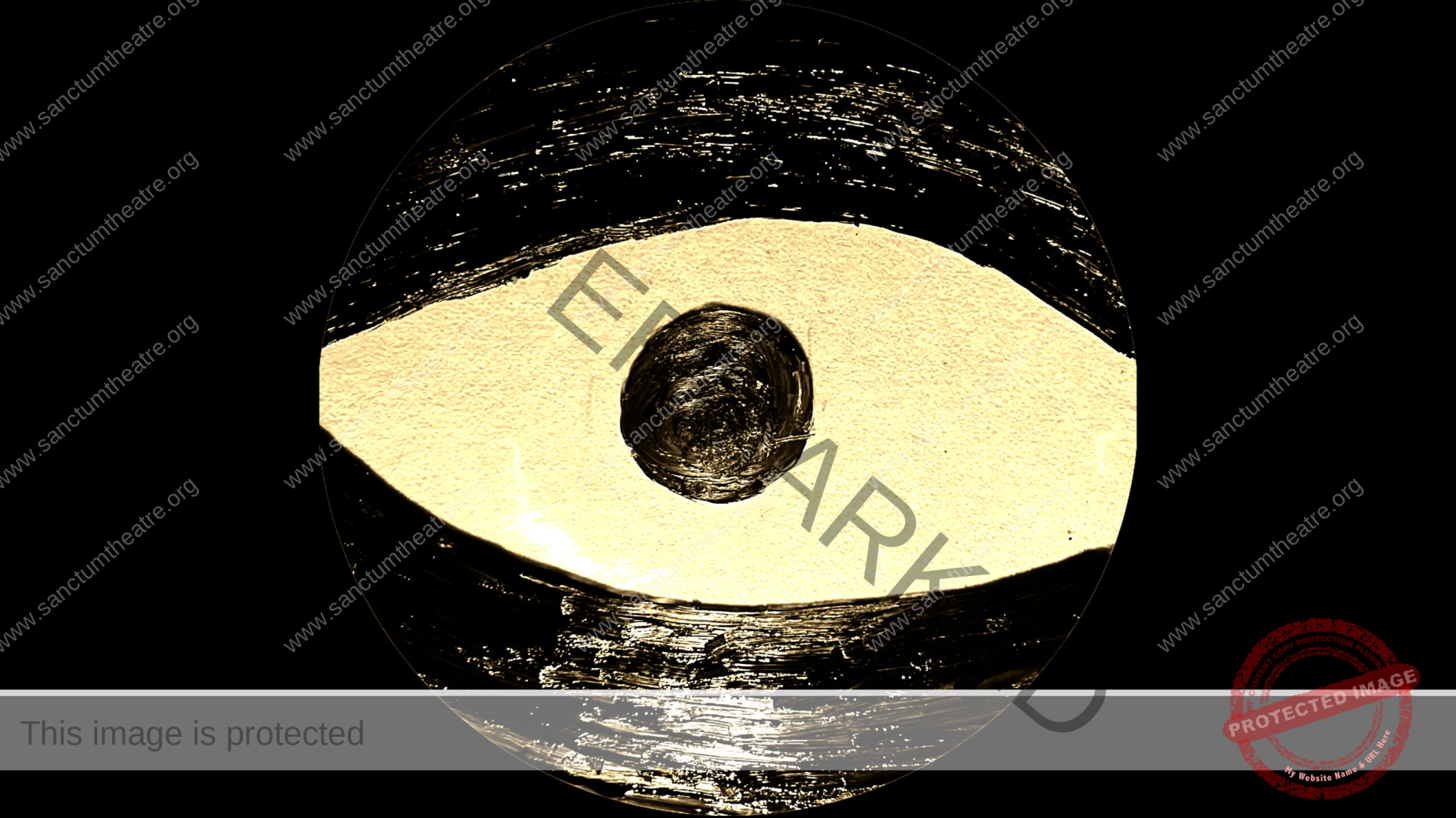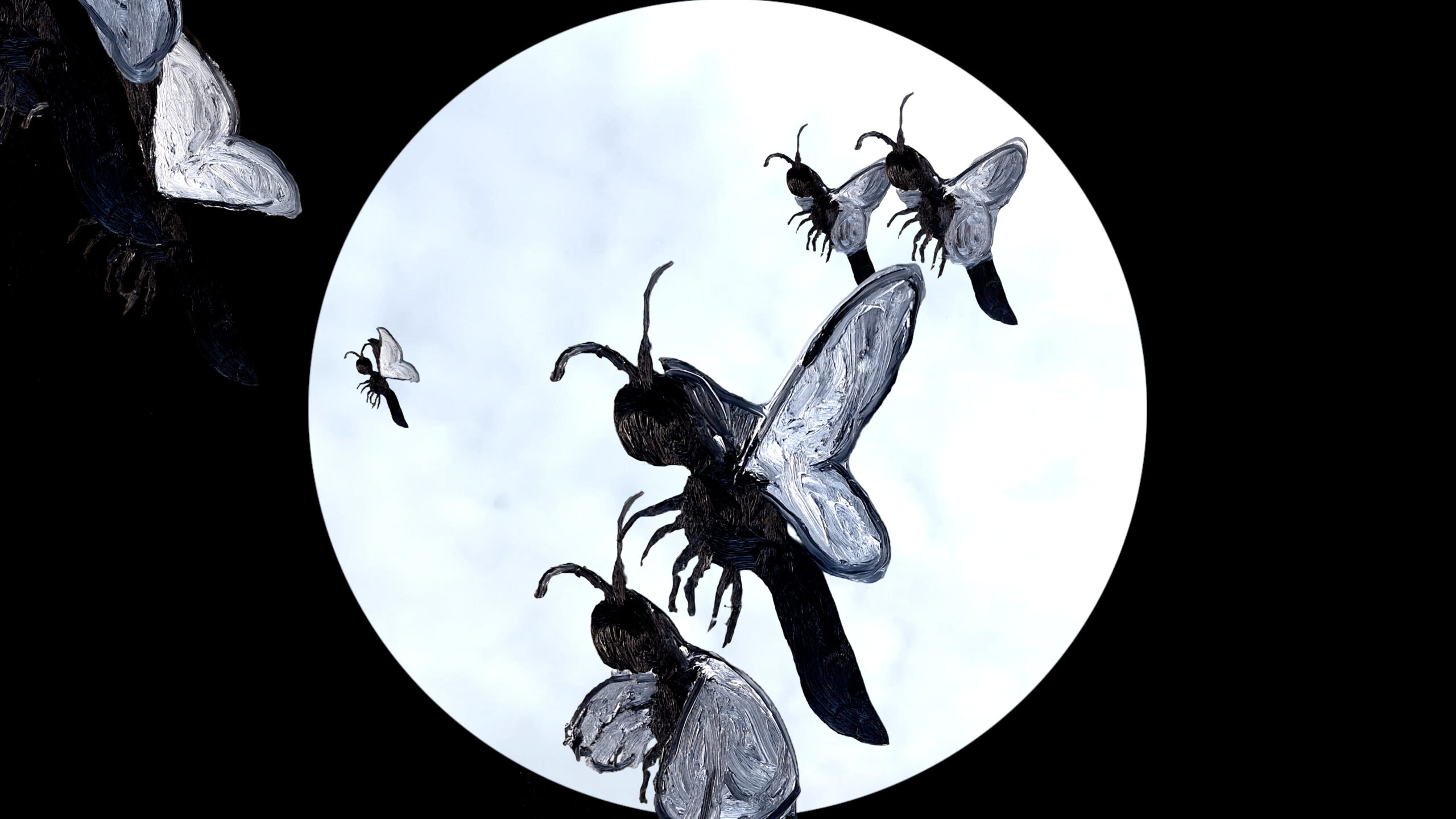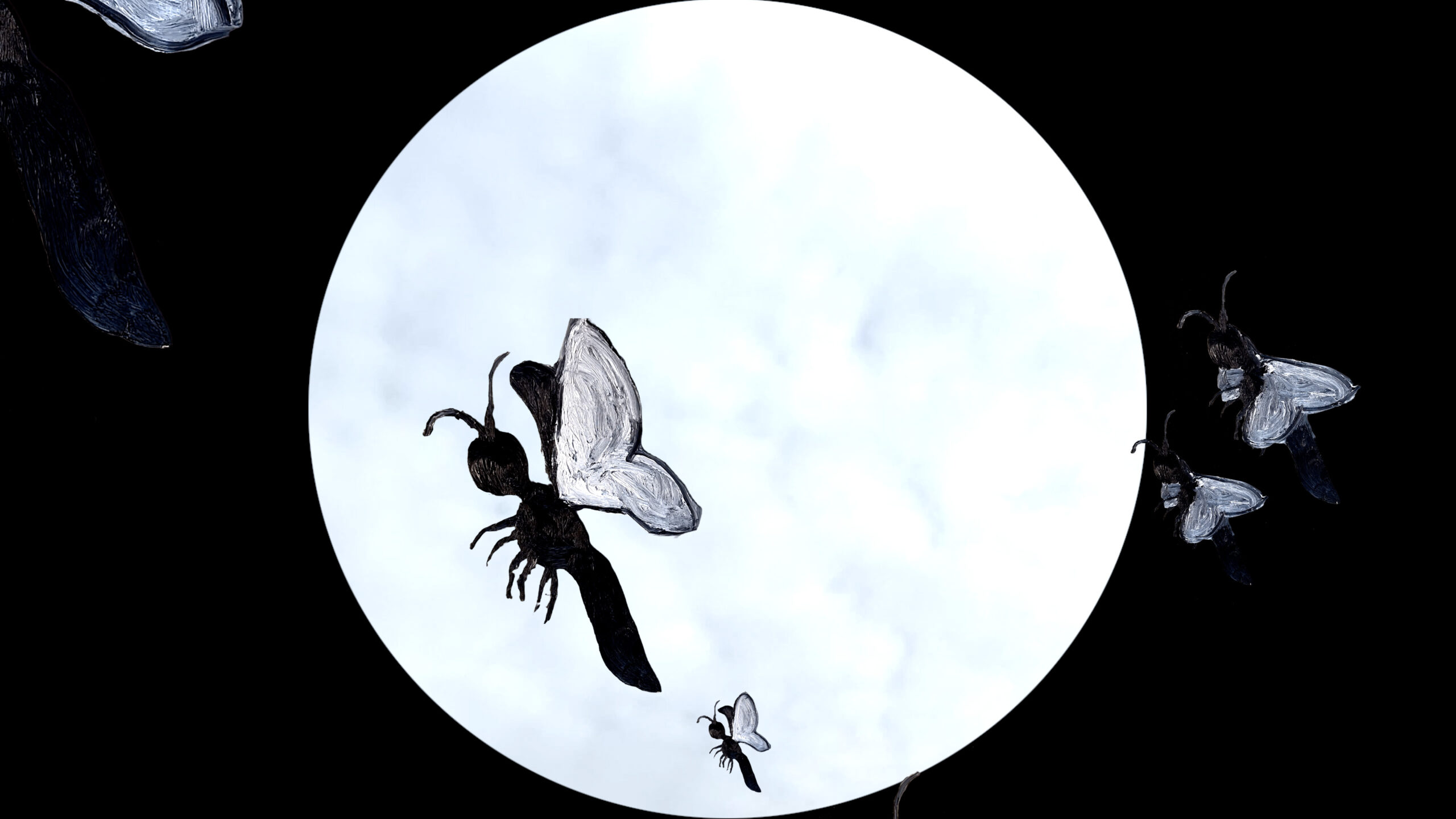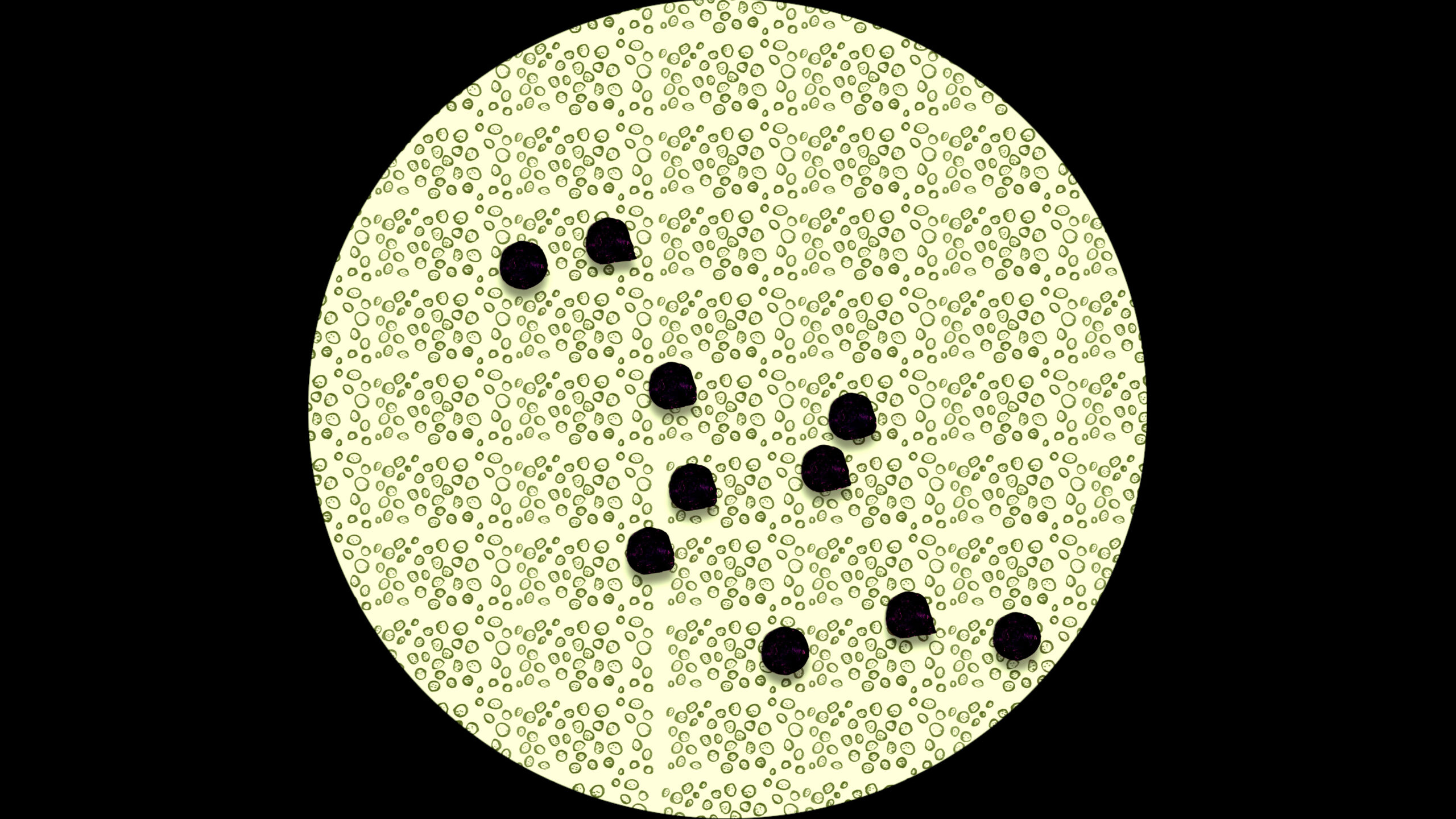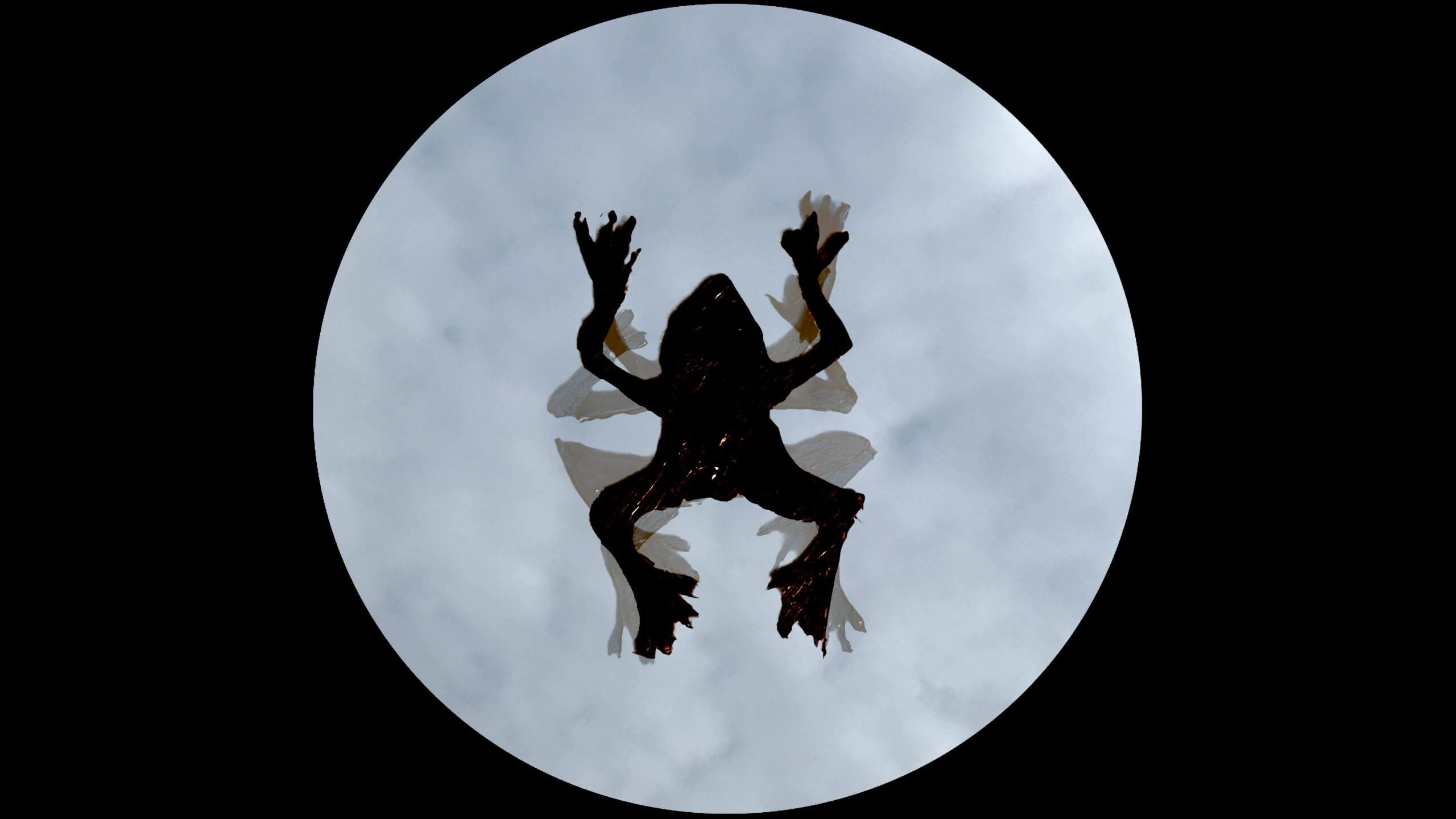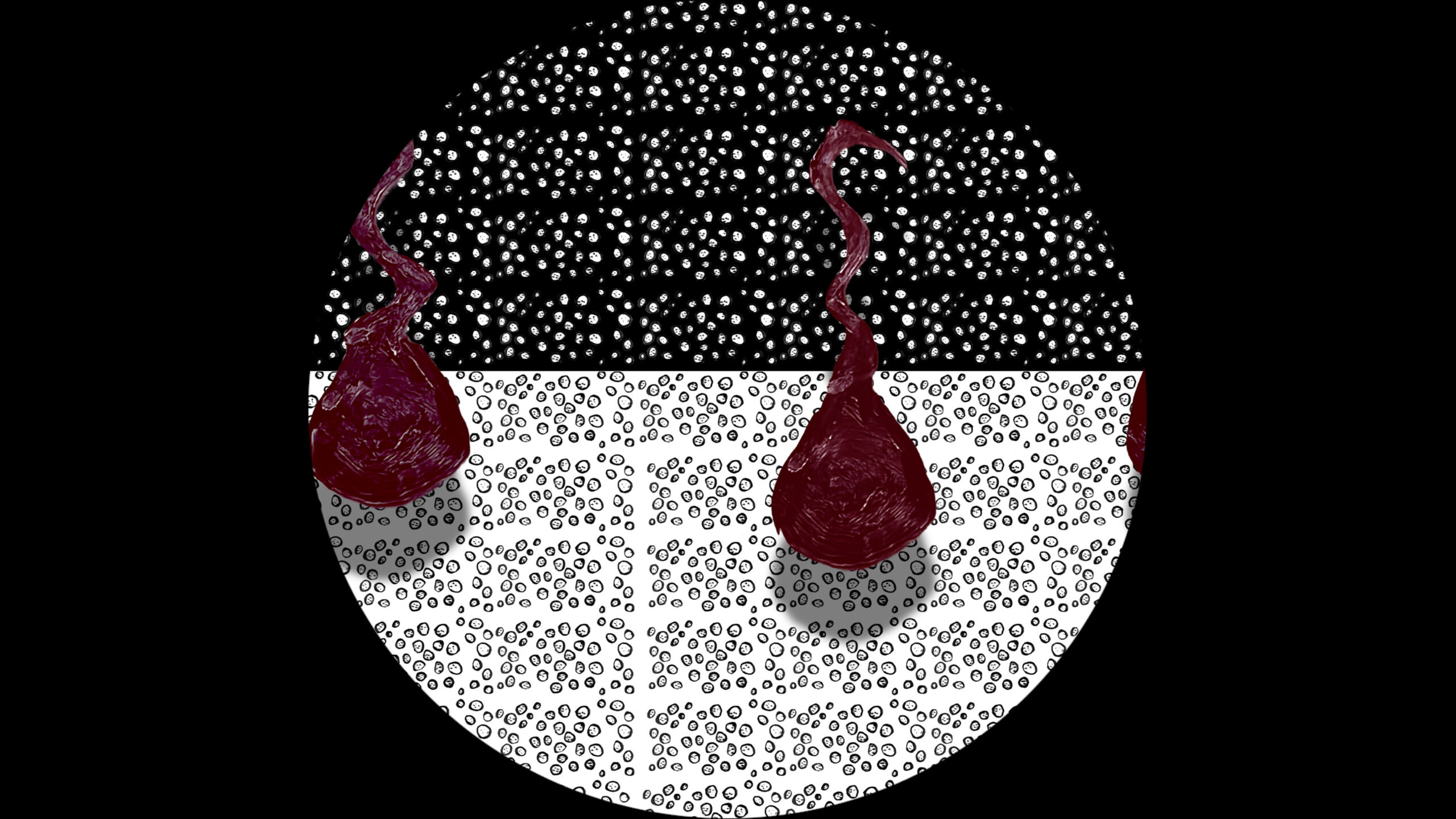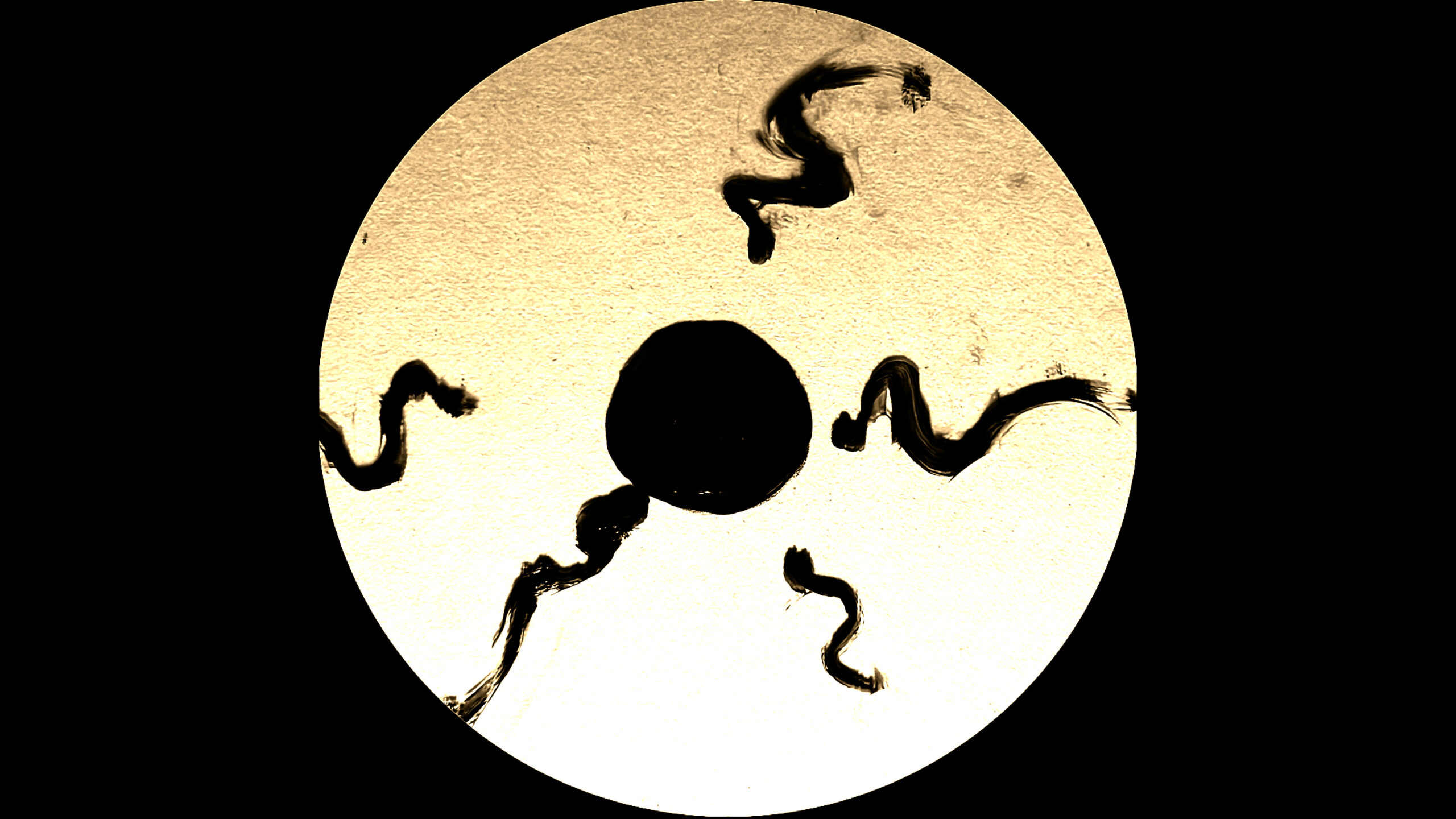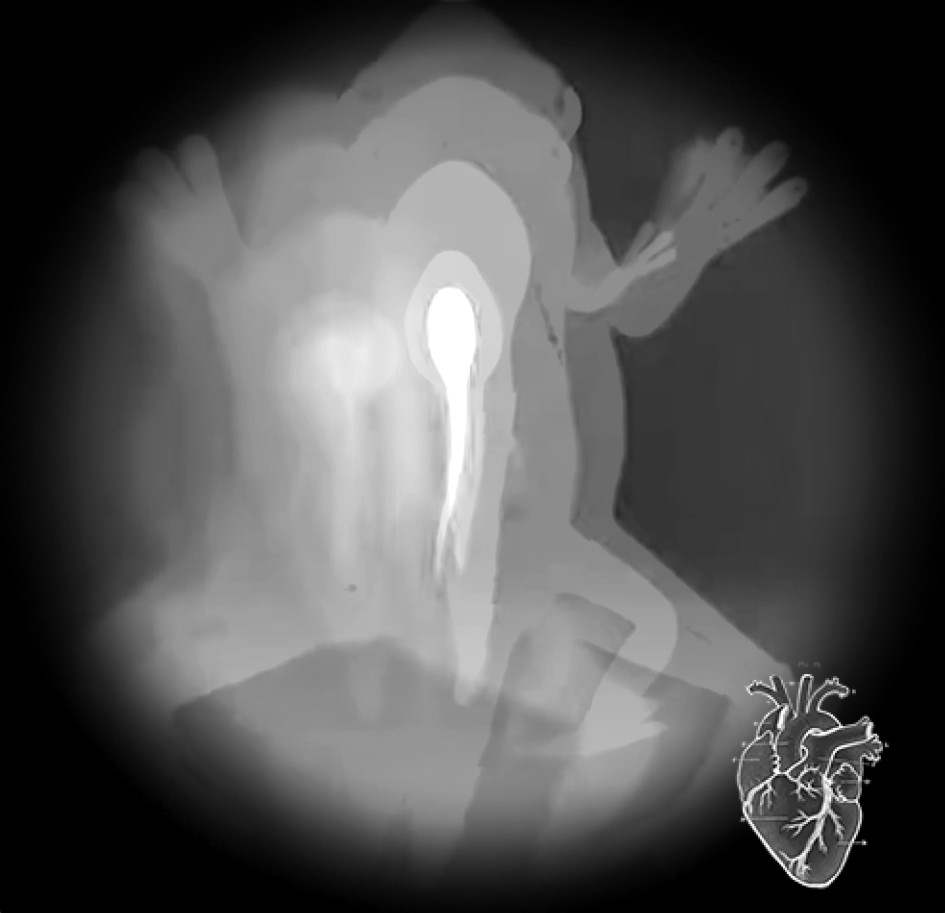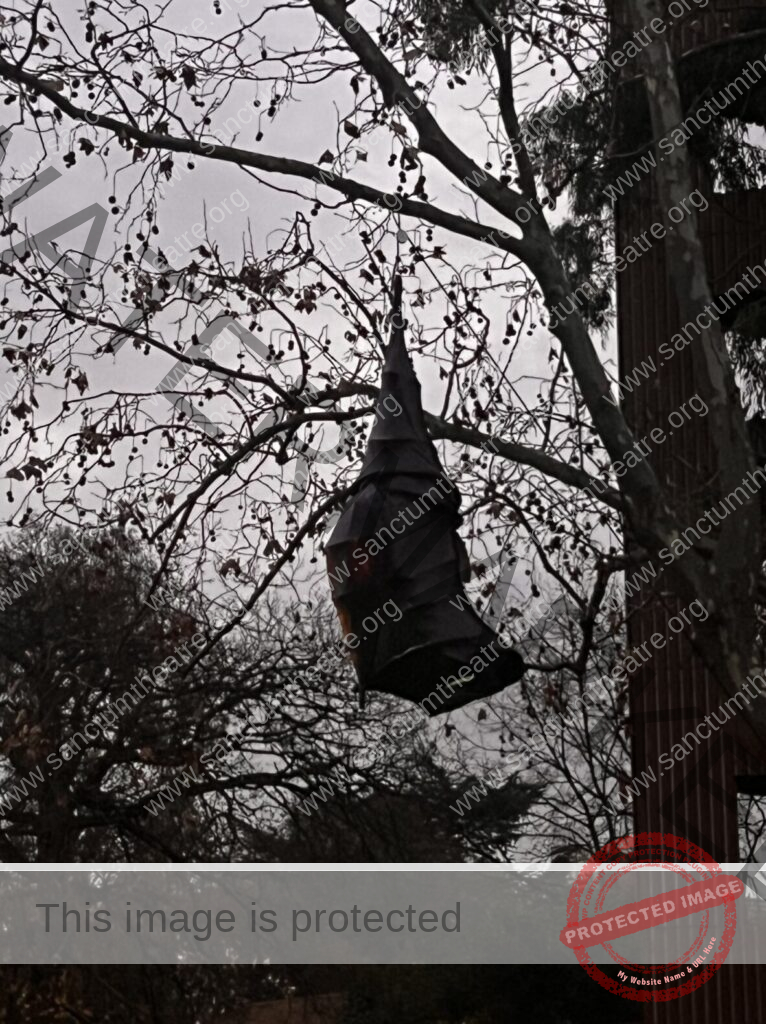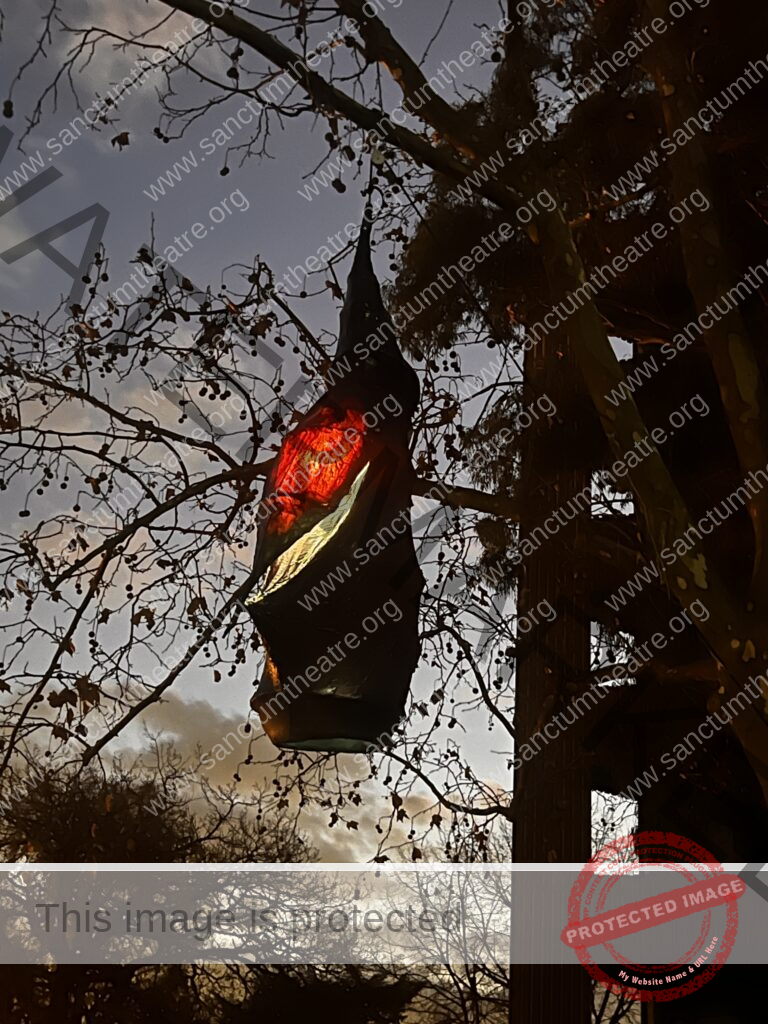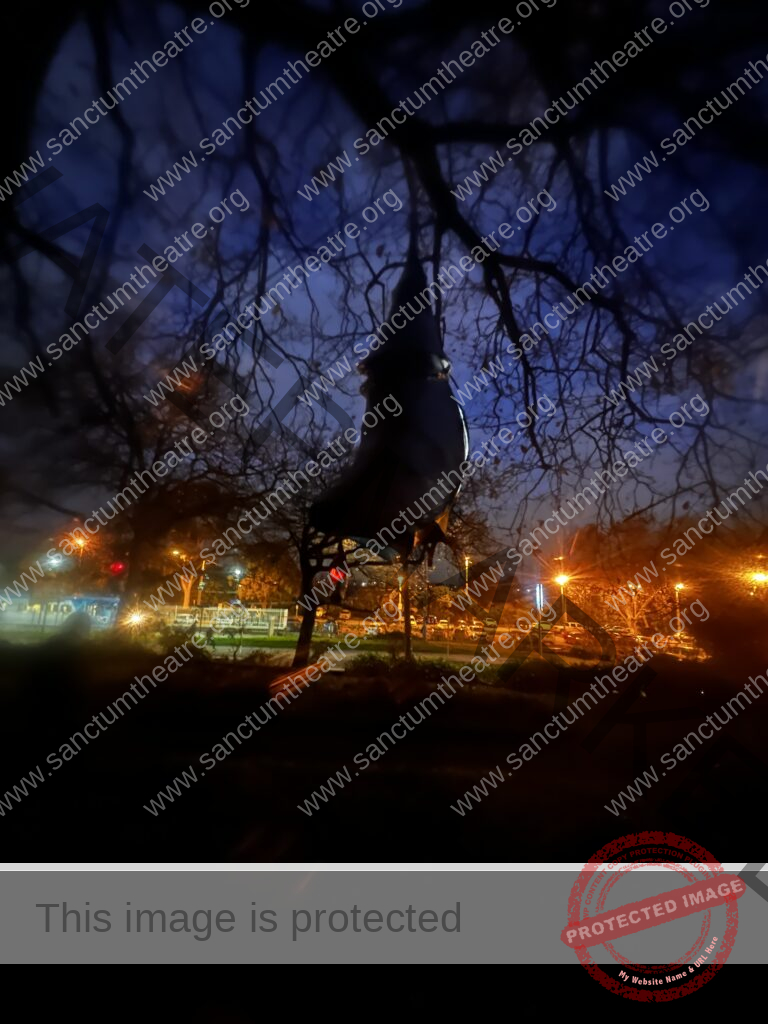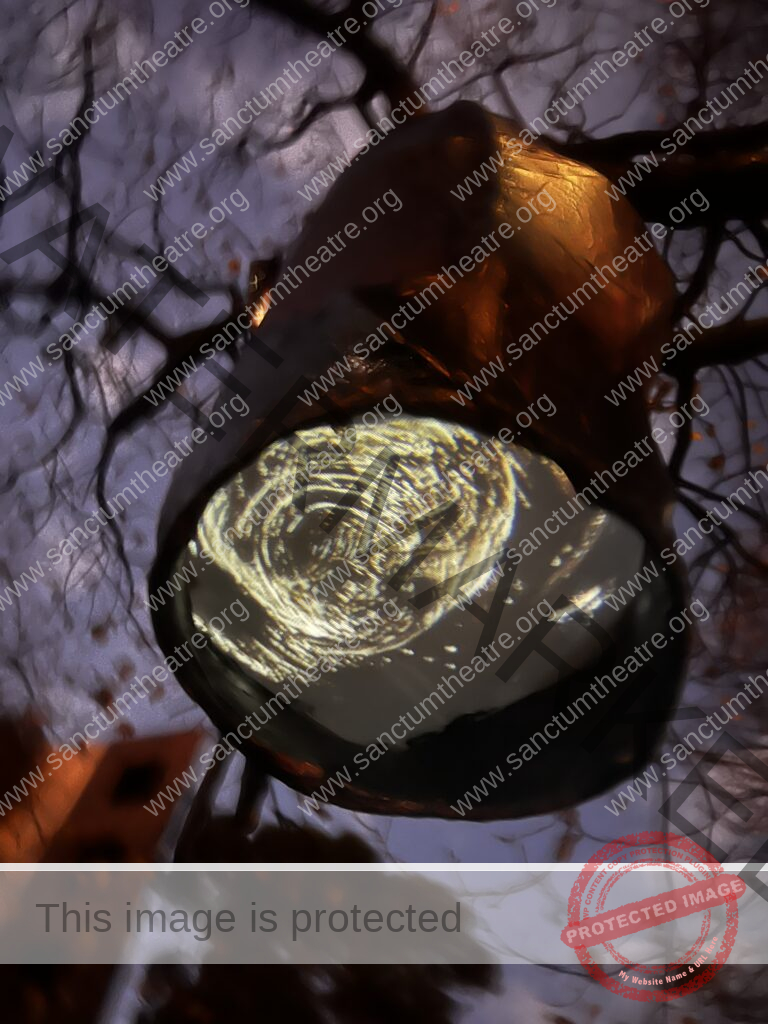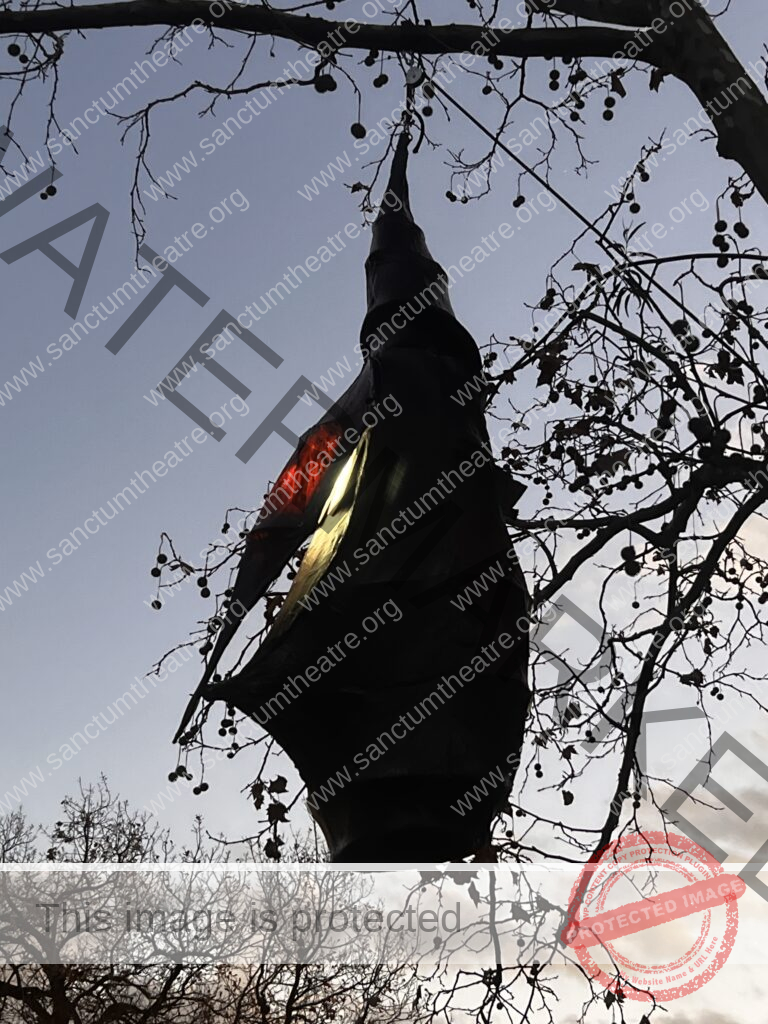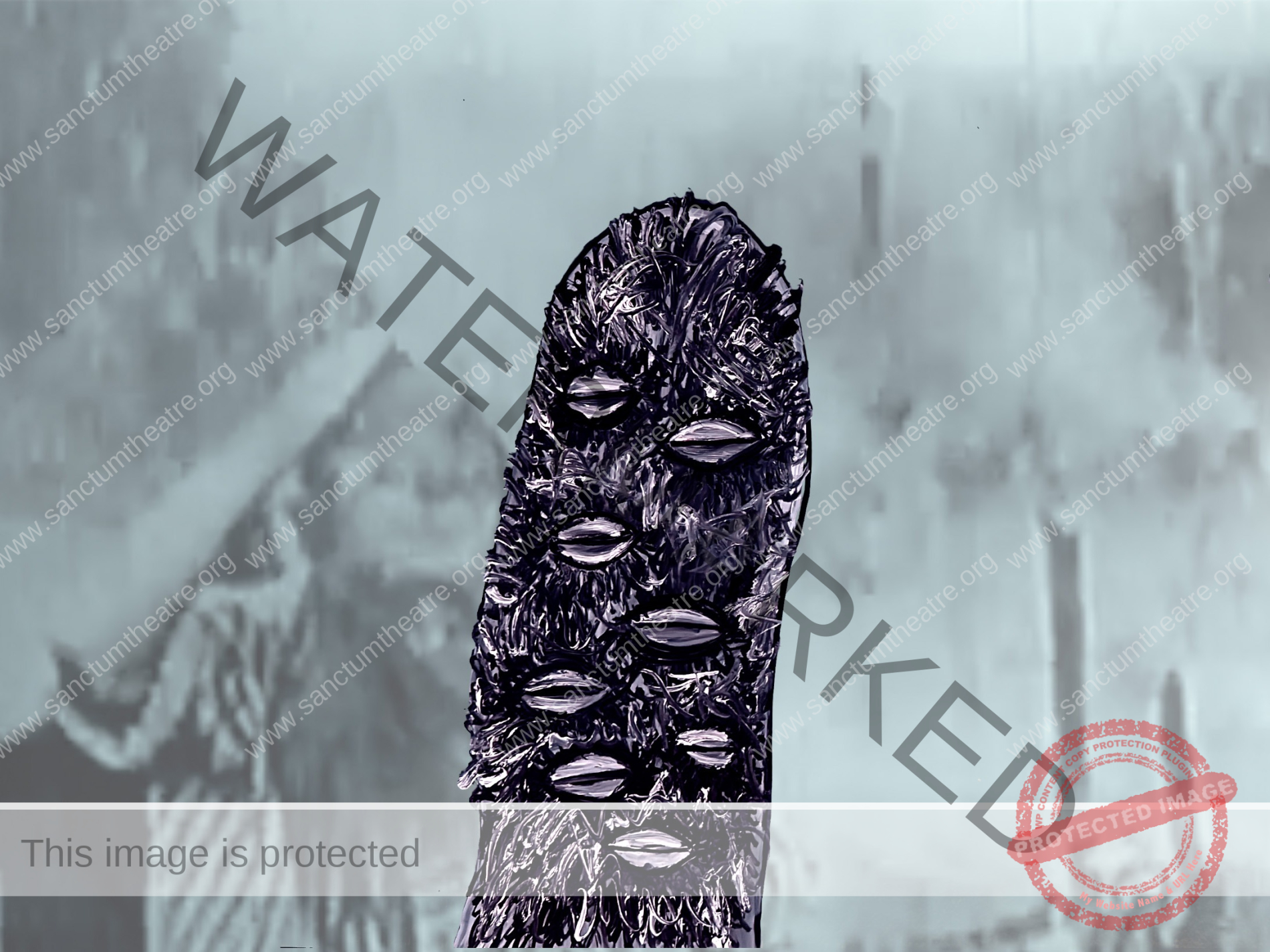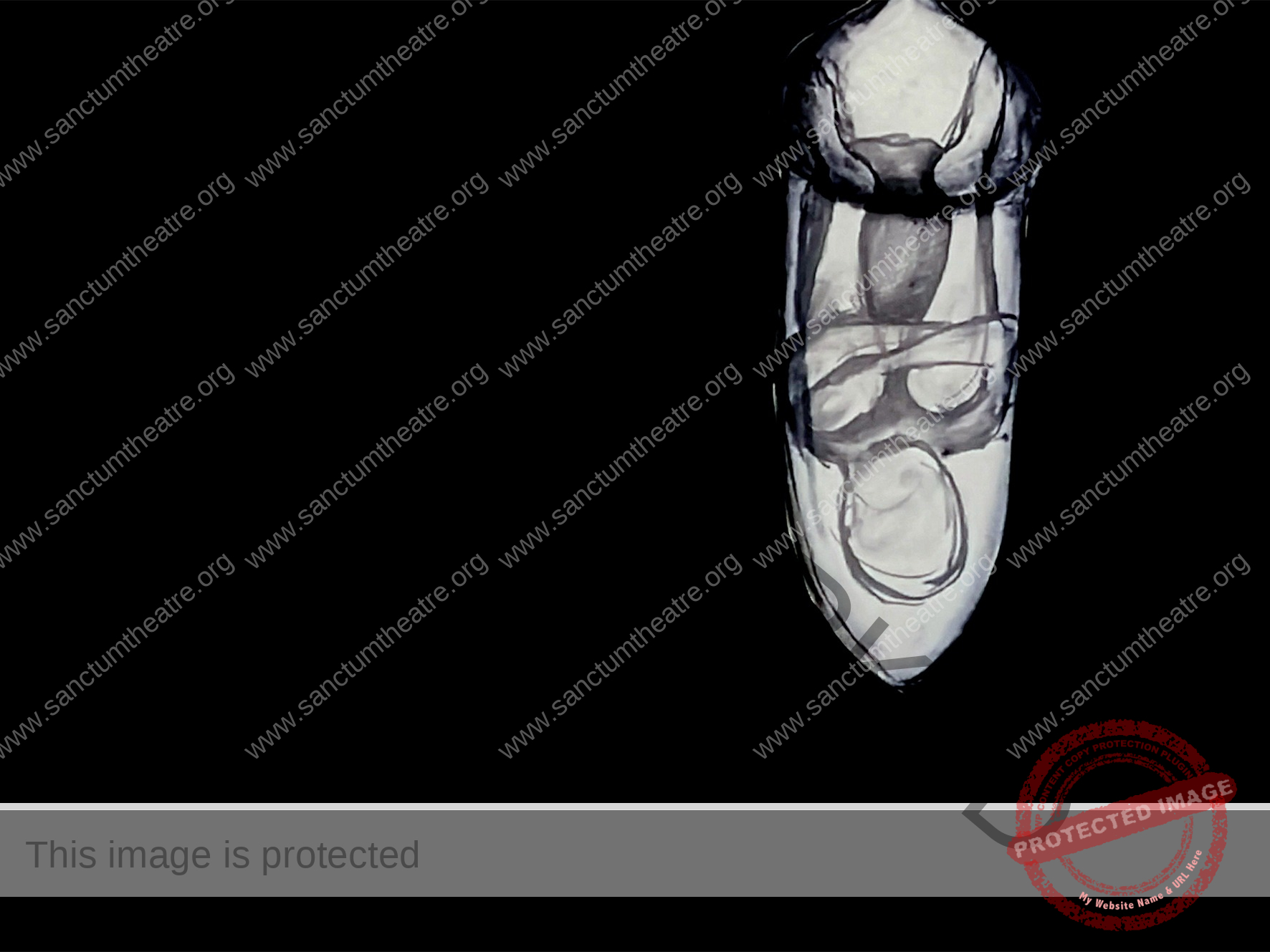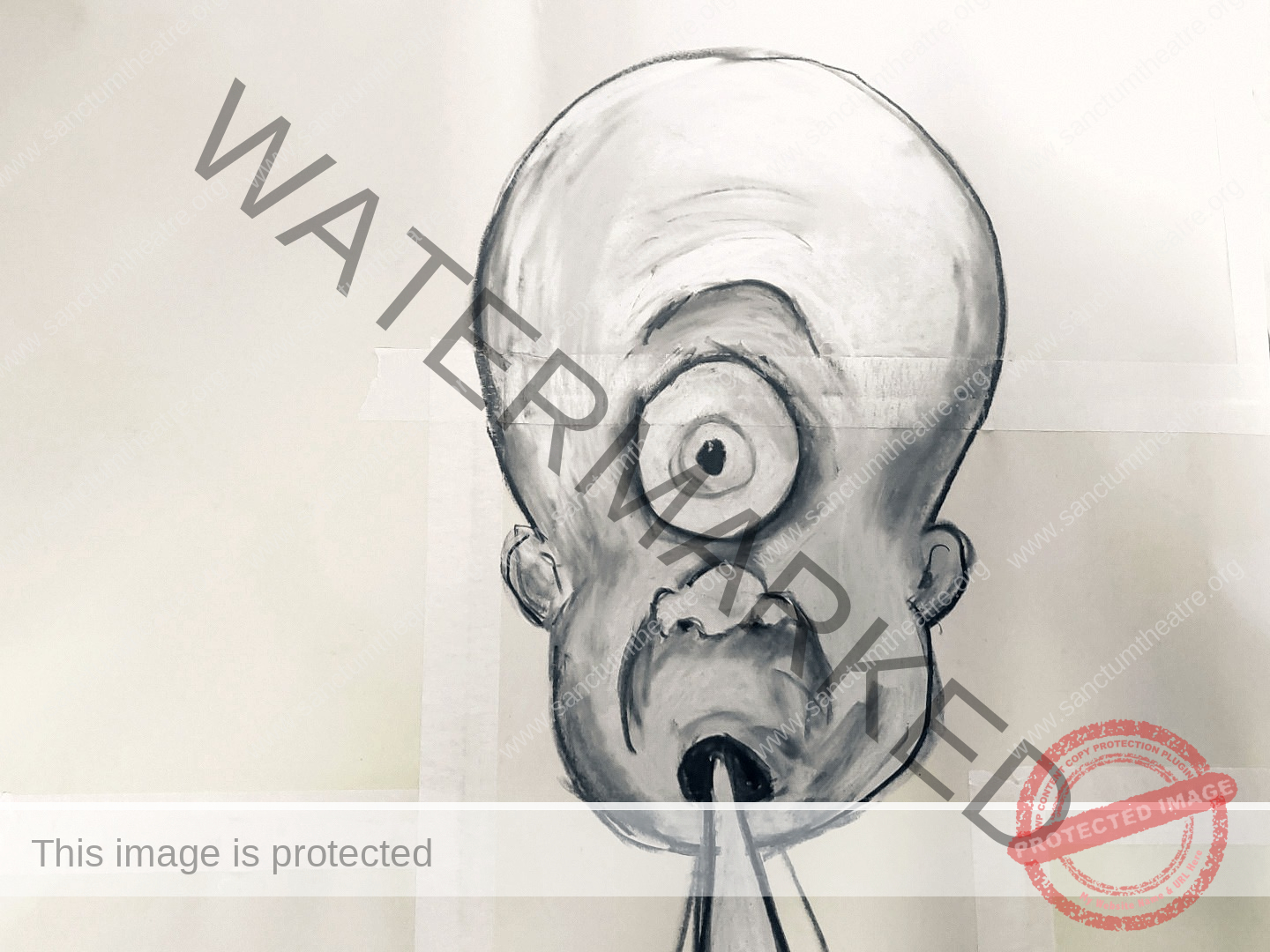



CHRYSALIS is a meditation on metamorphosis – on things becoming other things. The moon waxes and wanes, cells divide, babies grow, and grubs become butterflies.
This immersive installation combines Lachlan Plain’s sculpture and painting, with his rudimentary handcrafted animation. It is underscored by Nick Wilson’s mesmerizing
composition for guitar and prayer bowl.
The CHRYSALIS exhibition is presented by Banyule City Council and Melbourne International Animation Festival (MIAF).
Opening: Thursday 9 April, 6:30-8:30pm. Loft 275 Gallery. Please RSVP.
Special Screening: Thursday 7 May, 6:30pm. Yarra-me Djila Theatrette. Please RSVP
9 April – 10 May 2026
Loft 275 Ivanhoe Library & Cultural Hub, 275 Upper Heidelberg Road, Ivanhoe
Mon – Thurs: 9am to 9pm; Fri: 9am 6pm; Sat – Sun: 10am to 5pm